The people behind the ideas
Leaders, thinkers and organisers whose positions can be compared with yours, axis by axis.
- 40
- Profile
- 8
- Fields
- 12
- The twelve axes
The twelve ticks are the axes, in order. The marker shows where the profile sits on each one; hover for values.
40 results
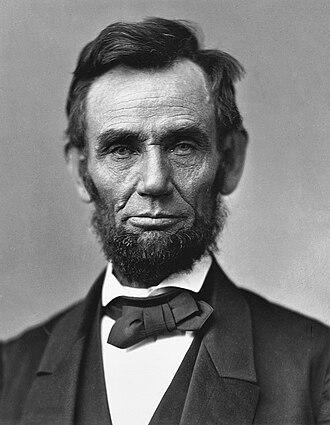
Abraham Lincoln
Politics · 1809–1865
Preserved a federal union by war, then redefined the nation around equal citizenship.
Open profile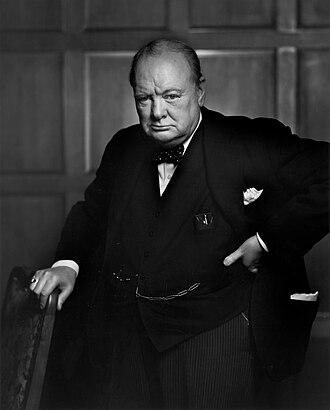
Winston Churchill
Politics · 1874–1965
Imperial patriot who treated armed resistance to tyranny as a moral duty.
Open profile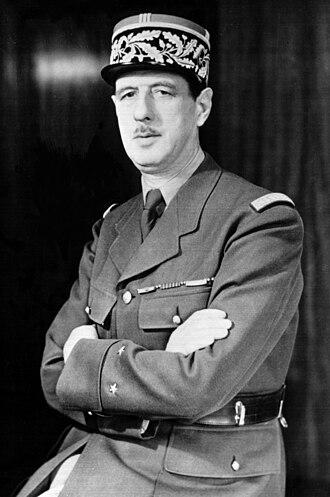
Charles de Gaulle
Politics · 1890–1970
A strong national executive and an independent France outside both blocs.
Open profile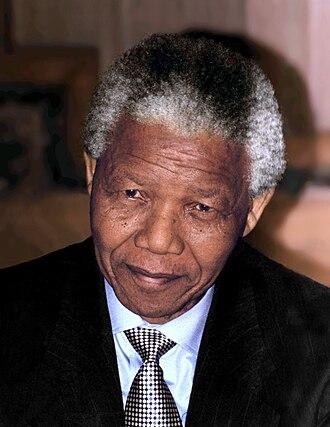
Nelson Mandela
Politics · 1918–2013
Reconciliation and majority rule after armed struggle against apartheid.
Open profile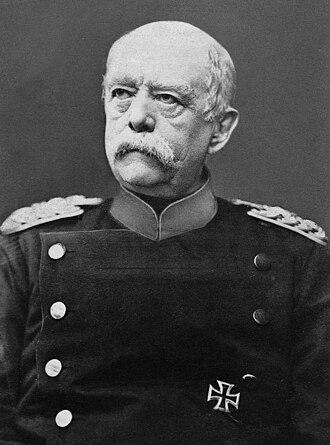
Otto von Bismarck
Politics · 1815–1898
Unified Germany through war and diplomacy, then insured workers to undercut socialism.
Open profile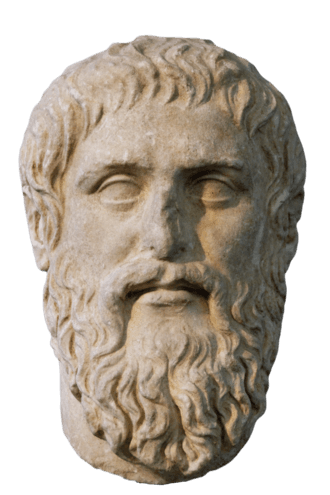
Plato
Philosophy · 428–348 BC
Rule by those who know the good, with a guardian class above private appetite.
Open profile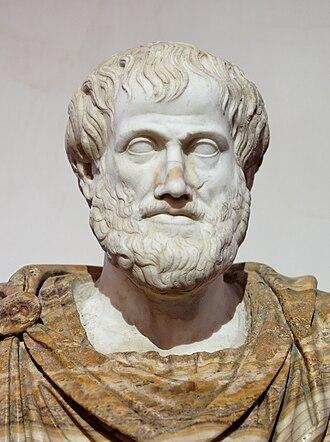
Aristotle
Philosophy · 384–322 BC
A mixed constitution for the many, with virtue and leisure as conditions of citizenship.
Open profile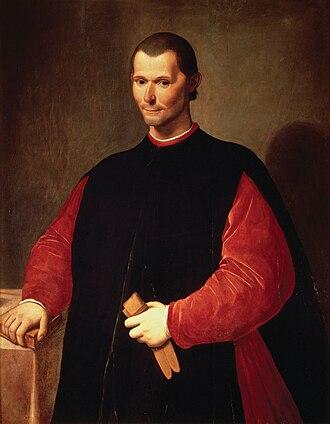
Niccolò Machiavelli
Philosophy · 1469–1527
The state kept by whatever means work, with appearances managed as carefully as armies.
Open profile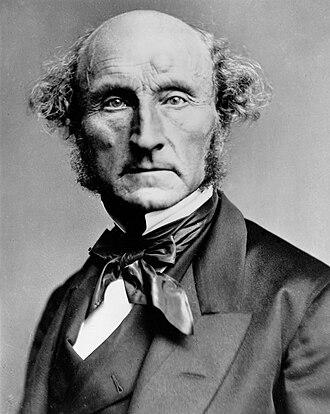
John Stuart Mill
Philosophy · 1806–1873
Liberty limited only by harm to others, and women's equality as the test of it.
Open profile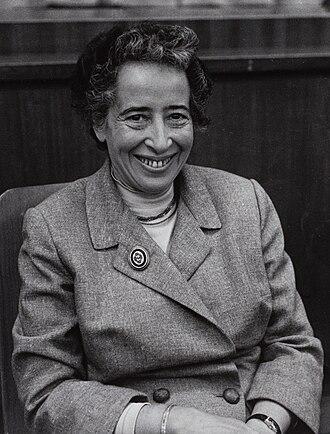
Hannah Arendt
Philosophy · 1906–1975
Political action among equals as the highest human activity, and statelessness as the modern crime.
Open profile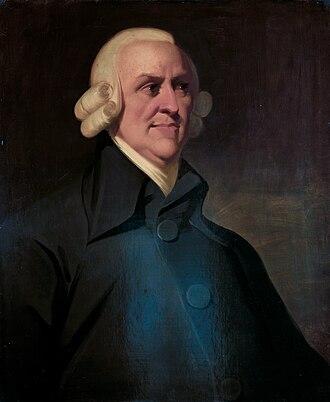
Adam Smith
Economics · 1723–1790
Division of labour and open markets, with sympathy as the moral ground of exchange.
Open profile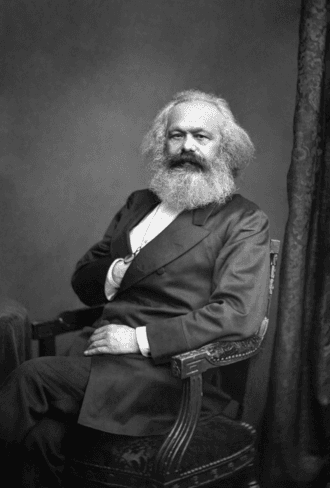
Karl Marx
Economics · 1818–1883
Class conflict as history's engine, and collective ownership as its resolution.
Open profile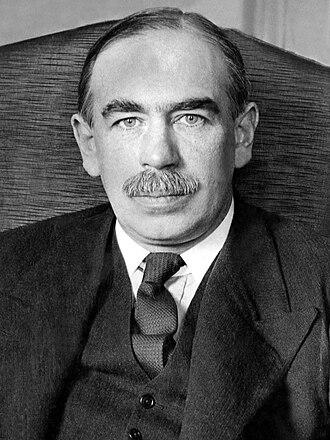
John Maynard Keynes
Economics · 1883–1946
Demand managed by the state when private investment fails to produce full employment.
Open profile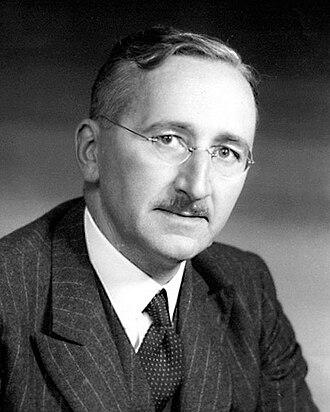
Friedrich Hayek
Economics · 1899–1992
Prices as dispersed knowledge no planner can gather; central planning as a road to serfdom.
Open profile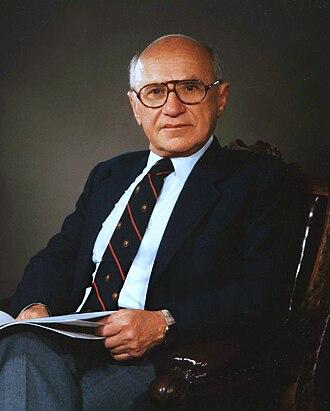
Milton Friedman
Economics · 1912–2006
Monetary rules, free choice in schools and medicine, and the state stripped to its functions.
Open profile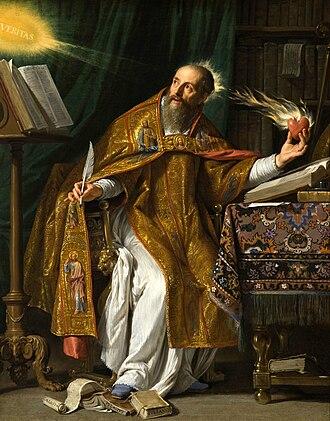
Augustine of Hippo
Religion · 354–430
Two cities, one earthly and one divine, with obedience as the discipline of a fallen world.
Open profile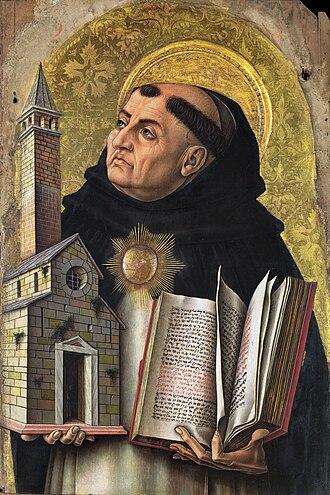
Thomas Aquinas
Religion · 1225–1274
Reason completed by revelation, and a natural law that binds even the sovereign.
Open profile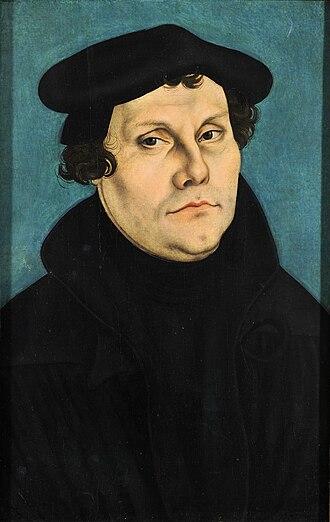
Martin Luther
Religion · 1483–1546
Scripture against institutional authority, and the household as the school of faith.
Open profile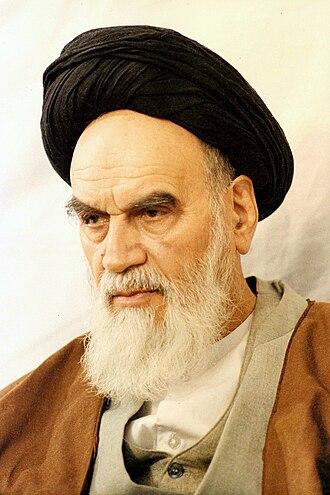
Ruhollah Khomeini
Religion · 1902–1989
Guardianship of the jurist: clerical supervision of law, economy and war.
Open profile
Sayyid Qutb
Religion · 1906–1966
Modern societies as ignorance to be confronted, with sovereignty belonging to God alone.
Open profile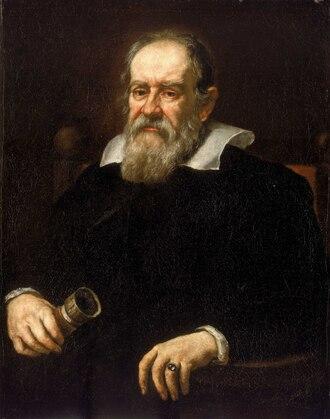
Galileo Galilei
Science · 1564–1642
Measurement over authority, and the book of nature read in mathematics.
Open profile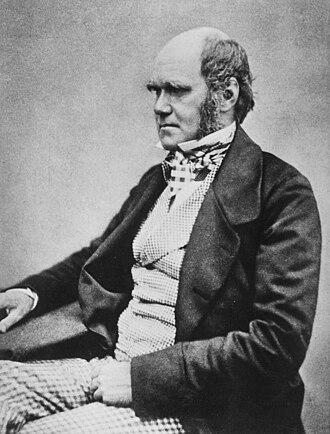
Charles Darwin
Science · 1809–1882
Descent with modification, applied to life, mind and eventually to society itself.
Open profile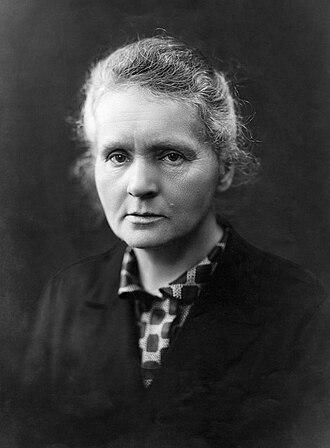
Marie Curie
Science · 1867–1934
Patient laboratory work and international science, in a career fought against exclusion.
Open profile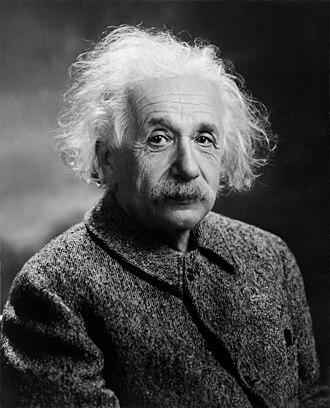
Albert Einstein
Science · 1879–1955
Relativity, pacifism and a world government to contain the weapon he helped make possible.
Open profile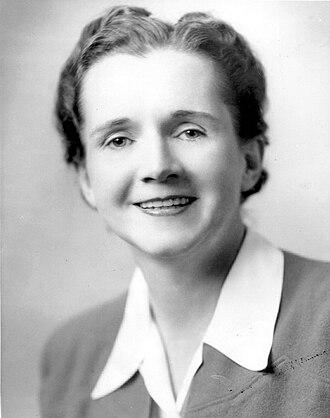
Rachel Carson
Science · 1907–1964
Chemical progress measured against its silent costs in water, soil and birds.
Open profile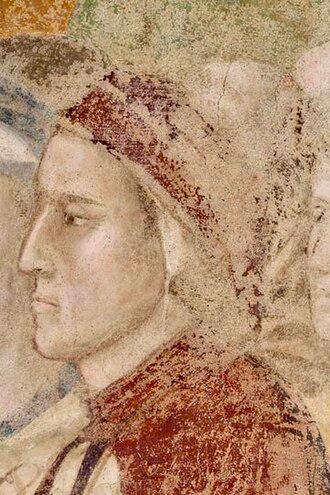
Dante Alighieri
Literature · 1265–1321
A universal empire and a vernacular literature, with judgement as the structure of the cosmos.
Open profile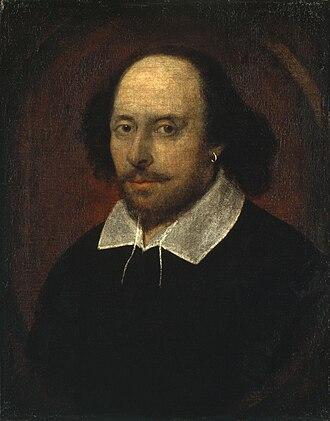
William Shakespeare
Literature · 1564–1616
Kings, crowds and conscience, with every order examined from inside its own language.
Open profile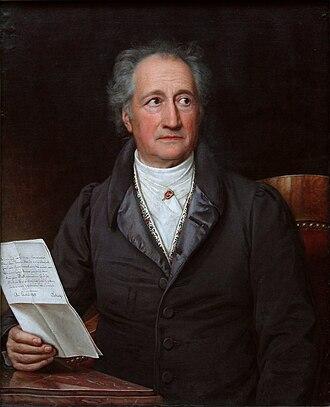
Johann Wolfgang von Goethe
Literature · 1749–1832
Formation of the self through art and science, inside a stable and cultivated order.
Open profile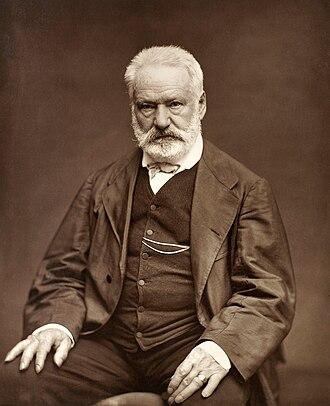
Victor Hugo
Literature · 1802–1885
The novel as a plea for the poor, the condemned and the republic.
Open profile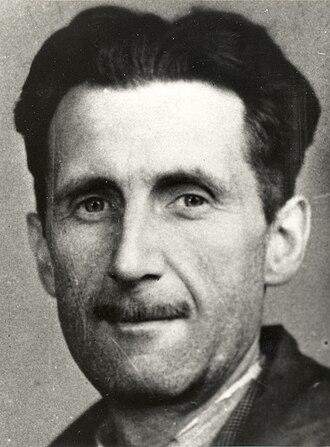
George Orwell
Literature · 1903–1950
Plain language against totalitarian doublespeak, and socialism without privilege.
Open profile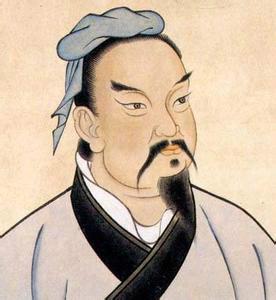
Sun Tzu
Military · 544–496 BC
Victory without battle, through deception, terrain and the morale of the enemy.
Open profile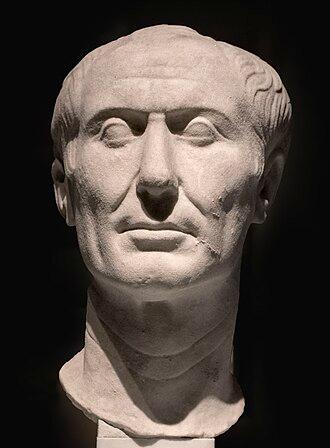
Julius Caesar
Military · 100–44 BC
Personal command over legions turned into permanent rule over a republic.
Open profile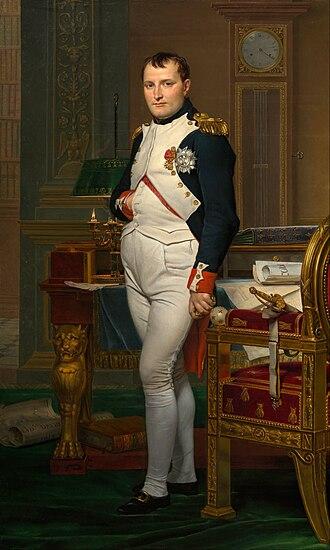
Napoleon Bonaparte
Military · 1769–1821
Conquest as reform, with a civil code and a continental blockade behind the cavalry.
Open profile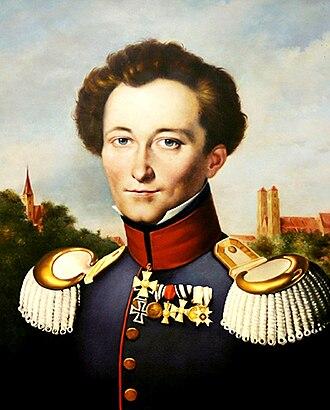
Carl von Clausewitz
Military · 1780–1831
War as the continuation of politics by other means, and friction as its permanent companion.
Open profile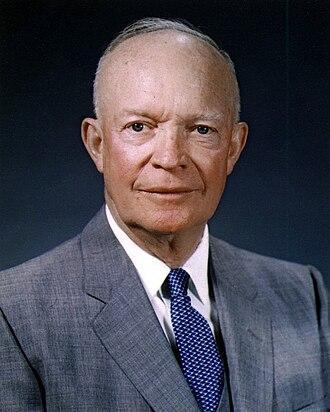
Dwight D. Eisenhower
Military · 1890–1969
Allied command, then warning against the permanent arms establishment it required.
Open profile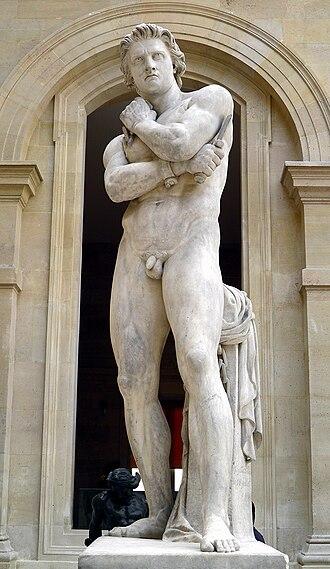
Spartacus
Activism · 111–71 BC
A slave army that broke discipline and property in the name of freedom.
Open profile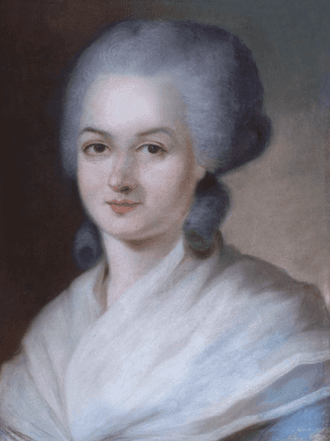
Olympe de Gouges
Activism · 1748–1793
The rights of woman and citizen, demanded with the same pen as the revolution's laws.
Open profile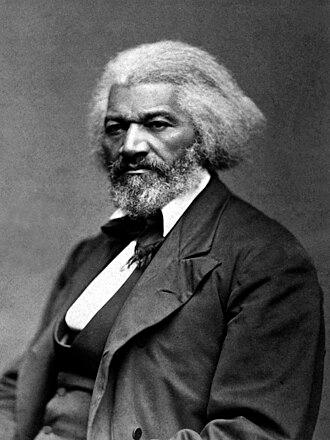
Frederick Douglass
Activism · 1818–1895
Abolition won by argument, testimony and the threat of a country divided.
Open profile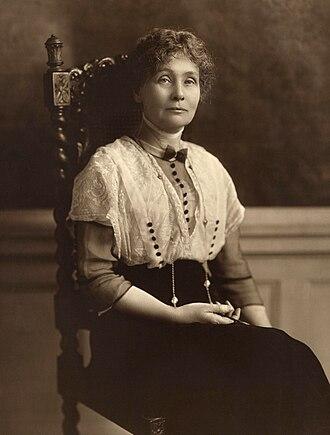
Emmeline Pankhurst
Activism · 1858–1928
Suffrage through disruption, with militant tactics aimed at the state's prestige.
Open profile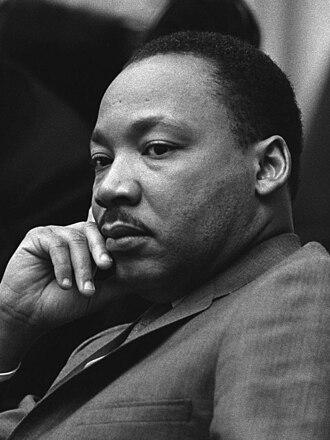
Martin Luther King Jr.
Activism · 1929–1968
Civil rights as moral argument, non-violence as discipline and equal citizenship as the goal.
Open profile