People · Religion
Augustine of Hippo
Antiquity · 354–430
Two cities, one earthly and one divine, with obedience as the discipline of a fallen world.
Editorial estimate
Take the test to see your compatibility
Take the testProfile on the twelve axes
Governance60% Autocracy
DemocracyAutocracy
Governance: 60% AutocracyStructure55% Unitary
FederalUnitary
Structure: 55% UnitaryLiberty65% Security
LibertySecurity
Liberty: 65% SecurityImmigration60% Assimilation
MulticulturalAssimilation
Immigration: 60% AssimilationSociety75% Traditional
ProgressiveTraditional
Society: 75% TraditionalReligion100% Religious
SecularReligious
Religion: 100% ReligiousOwnership55% Public
PublicPrivate
Ownership: 55% PublicMarkets55% Planned
PlannedMarket
Markets: 55% PlannedTrade60% Protectionist
GlobalistProtectionist
Trade: 60% ProtectionistDiplomacy60% Militarist
PacifistMilitarist
Diplomacy: 60% MilitaristSovereignty60% Nationalist
InternationalistNationalist
Sovereignty: 60% NationalistTechnology70% Nature
TechnologyNature
Technology: 70% NatureWorks in the catalog
City of God
Augustine of Hippo · 426
Look up the book
Close to this profile
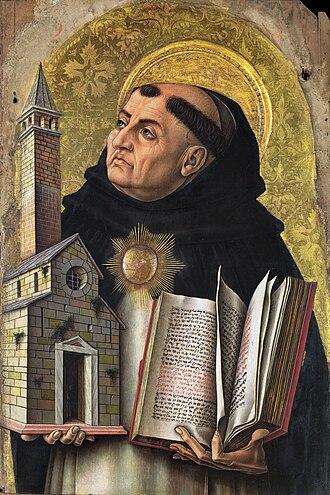
Reason completed by revelation, and a natural law that binds even the sovereign.
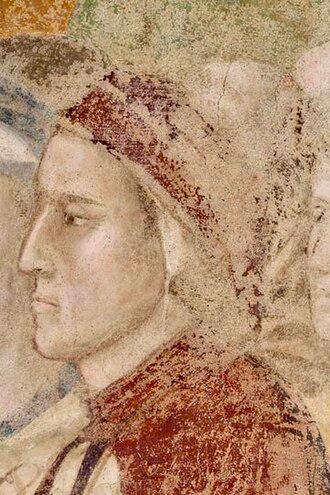
A universal empire and a vernacular literature, with judgement as the structure of the cosmos.
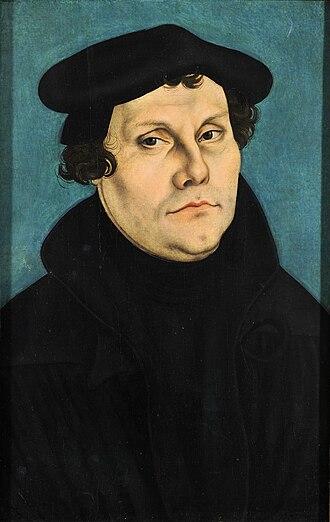
Scripture against institutional authority, and the household as the school of faith.
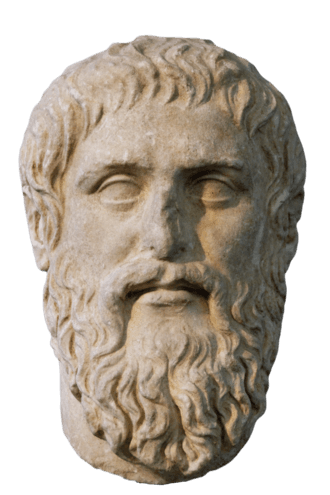
Rule by those who know the good, with a guardian class above private appetite.