People · Economics
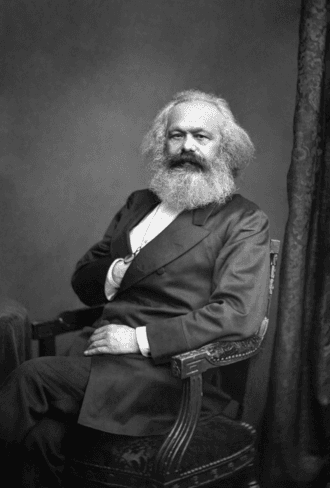
Karl Marx
Long 19th century · 1818–1883
Class conflict as history's engine, and collective ownership as its resolution.
Editorial estimate
Take the test to see your compatibility
Take the testProfile on the twelve axes
Governance55% Autocracy
DemocracyAutocracy
Governance: 55% AutocracyStructure60% Unitary
FederalUnitary
Structure: 60% UnitaryLiberty55% Security
LibertySecurity
Liberty: 55% SecurityImmigration70% Multicultural
MulticulturalAssimilation
Immigration: 70% MulticulturalSociety60% Progressive
ProgressiveTraditional
Society: 60% ProgressiveReligion90% Secular
SecularReligious
Religion: 90% SecularOwnership95% Public
PublicPrivate
Ownership: 95% PublicMarkets95% Planned
PlannedMarket
Markets: 95% PlannedTrade70% Globalist
GlobalistProtectionist
Trade: 70% GlobalistDiplomacy70% Pacifist
PacifistMilitarist
Diplomacy: 70% PacifistSovereignty65% Internationalist
InternationalistNationalist
Sovereignty: 65% InternationalistTechnology70% Technology
TechnologyNature
Technology: 70% TechnologyWorks in the catalog
Capital
Karl Marx · 1867
Look up the bookThe Communist Manifesto
Karl Marx · 1848
Look up the book
Close to this profile
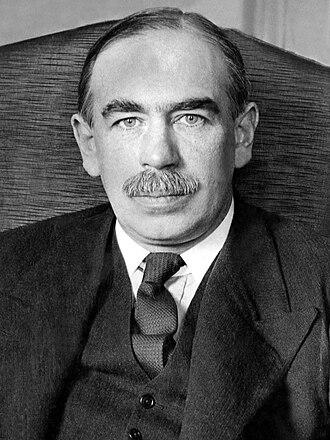
Demand managed by the state when private investment fails to produce full employment.
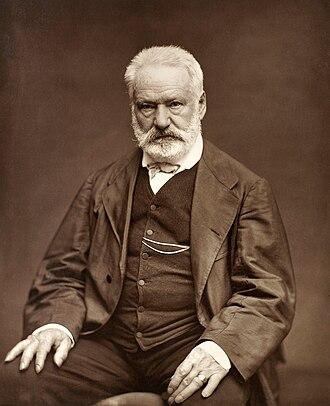
The novel as a plea for the poor, the condemned and the republic.
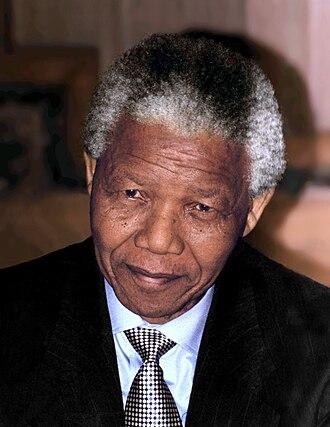
Reconciliation and majority rule after armed struggle against apartheid.
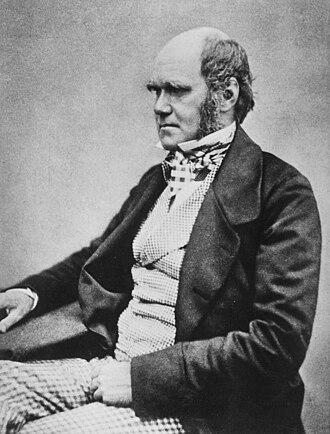
Descent with modification, applied to life, mind and eventually to society itself.