People · Military
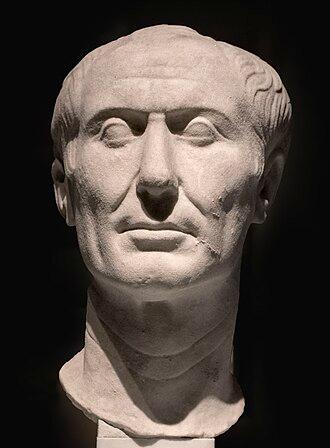
Julius Caesar
Antiquity · 100–44 BC
Personal command over legions turned into permanent rule over a republic.
Editorial estimate
Take the test to see your compatibility
Take the testProfile on the twelve axes
Governance90% Autocracy
DemocracyAutocracy
Governance: 90% AutocracyStructure85% Unitary
FederalUnitary
Structure: 85% UnitaryLiberty80% Security
LibertySecurity
Liberty: 80% SecurityImmigration65% Assimilation
MulticulturalAssimilation
Immigration: 65% AssimilationSociety60% Traditional
ProgressiveTraditional
Society: 60% TraditionalReligion55% Religious
SecularReligious
Religion: 55% ReligiousOwnership60% Private
PublicPrivate
Ownership: 60% PrivateMarkets60% Market
PlannedMarket
Markets: 60% MarketTrade65% Protectionist
GlobalistProtectionist
Trade: 65% ProtectionistDiplomacy90% Militarist
PacifistMilitarist
Diplomacy: 90% MilitaristSovereignty90% Nationalist
InternationalistNationalist
Sovereignty: 90% NationalistTechnologyBalanced
TechnologyNature
Technology: BalancedWorks in the catalog
The Gallic Wars
Julius Caesar · -50
Look up the book
Close to this profile
The state kept by whatever means work, with appearances managed as carefully as armies.
Conquest as reform, with a civil code and a continental blockade behind the cavalry.
War as the continuation of politics by other means, and friction as its permanent companion.
Victory without battle, through deception, terrain and the morale of the enemy.