People · Philosophy
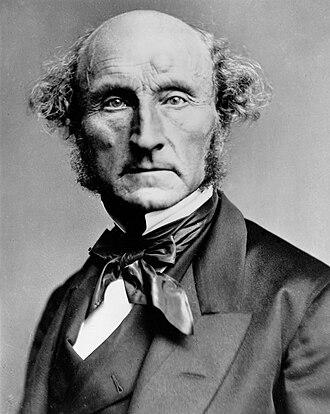
John Stuart Mill
Long 19th century · 1806–1873
Liberty limited only by harm to others, and women's equality as the test of it.
Editorial estimate
Take the test to see your compatibility
Take the testProfile on the twelve axes
Governance85% Democracy
DemocracyAutocracy
Governance: 85% DemocracyStructure65% Federal
FederalUnitary
Structure: 65% FederalLiberty90% Liberty
LibertySecurity
Liberty: 90% LibertyImmigration80% Multicultural
MulticulturalAssimilation
Immigration: 80% MulticulturalSociety75% Progressive
ProgressiveTraditional
Society: 75% ProgressiveReligion80% Secular
SecularReligious
Religion: 80% SecularOwnership75% Private
PublicPrivate
Ownership: 75% PrivateMarkets80% Market
PlannedMarket
Markets: 80% MarketTrade80% Globalist
GlobalistProtectionist
Trade: 80% GlobalistDiplomacy80% Pacifist
PacifistMilitarist
Diplomacy: 80% PacifistSovereignty75% Internationalist
InternationalistNationalist
Sovereignty: 75% InternationalistTechnology65% Technology
TechnologyNature
Technology: 65% TechnologyWorks in the catalog
On Liberty
John Stuart Mill · 1859
Look up the bookThe Subjection of Women
John Stuart Mill · 1869
Look up the book
Close to this profile
Division of labour and open markets, with sympathy as the moral ground of exchange.
Prices as dispersed knowledge no planner can gather; central planning as a road to serfdom.
Political action among equals as the highest human activity, and statelessness as the modern crime.
Monetary rules, free choice in schools and medicine, and the state stripped to its functions.