Third position
Eurasianism
90%
match
A continental empire resisting the Atlantic order, with tradition as its ideological cement.
Governance
90% Autocracy
Ownership
50% Private
Society
85% Traditional
Most people pick a label from the mood of the room. In a few minutes you can check it against twelve independent axes, the political current you sit closest to, and the country and public figures who think the way you do.
Widespread small property, family farms and guilds, against both capital and the state.
Governance
70% Autocracy
Ownership
60% Private
Society
85% Traditional
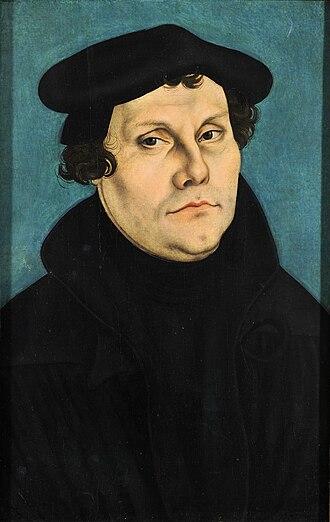
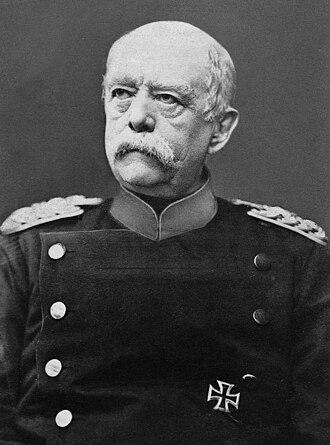

Closest figure
Martin Luther · Otto von Bismarck · Augustine of Hippo
Closest country
Habsburg Empire
Left or right tells you almost nothing. Your result separates what you think about power, culture, money and the world, and names the company you keep.
Which political family your answers actually resemble.
The nation — present or historical — closest to your positions.
The thinkers and leaders whose profile lines up with yours.
One significant work from each of the figures you match.
Six plain-language labels that summarise the whole portrait.
How far you are from the ideology you say you support.
Third position
90%
match
A continental empire resisting the Atlantic order, with tradition as its ideological cement.
Governance
90% Autocracy
Ownership
50% Private
Society
85% Traditional
Closest country
Constitutional monarchy of iron, welfare and a national state above parties.
Closest figure
Otto von BismarckUnified Germany through war and diplomacy, then insured workers to undercut socialism.
Illustrative result built from catalog data, not from a real submission.
Show me mineYou answer statements, the engine scores twelve axes independently, and the result is matched against a catalog of currents, countries, parties and people.
Agree or disagree with claims about power, economy, culture, borders, faith and technology. No account, no e-mail.
Each answer carries weight on one axis. Nothing is collapsed into a single left–right number, so mixed positions stay visible.
Your vector is compared with every profile in the database, by full profile and by political, social and economic blocks.
Closest current, country, figures and books, plus the exact axes where you deviate from your own label.
Every axis runs between two poles. Your answers place you somewhere on each of them, independently.
How much you trust elections, term limits and opposition, against the case for concentrated, decisive executive power.
Whether power should be spread across regions with their own competences, or concentrated in one national centre.
The trade you accept between civil liberties, privacy and due process, and surveillance, policing and emergency powers.
Whether newcomers should keep their languages and customs, or be expected to adopt the receiving country's culture.
Openness to rapid change in customs, family and identity, against the defence of inherited institutions and habits.
The place of faith in public life: strict separation and secular law, or religious values shaping law and education.
Who should own the commanding heights: state companies, cooperatives and public services, or private owners and shareholders.
Direction by plans, prices set administratively and industrial policy, against open competition and minimal regulation.
Free movement of goods and capital with deep international integration, against tariffs, sovereignty and domestic production.
Negotiation, disarmament and international law, against deterrence, defence spending and military intervention.
Pooling sovereignty in international bodies and alliances, against unilateral defence of national interest.
Enthusiasm for artificial intelligence, genetic engineering and acceleration, against precaution, ecology and limits.
A balanced axis does not mean indifference — it means your answers pushed in both directions.
Take the test and see all twelveThe catalog is organised into eight families, from the revolutionary left to the anarchist right. Your closest current belongs to one of them, and the rest are shown for contrast.
Revolutionary or single-party communism, with collective ownership, a planned economy and concentrated state power.
Rejection of the state and coercive authority, in favour of voluntary, self-managed organisation.
Social democracy, labour rights and redistribution inside a liberal democracy.
Balance between market and state, reform and stability, with a pragmatic or technocratic temper.
Nationalist and corporatist syntheses that reject both liberal capitalism and Marxism.
Conservatism, economic liberalism and moderate national feeling within democratic institutions.
A minimal state, private property and individual autonomy, without abolishing the state entirely.
Nationalist, racial or theocratic projects that reject democratic pluralism and concentrate power.
Portraits from the public record. Every figure has a full profile and a vector on the same twelve axes you answer.
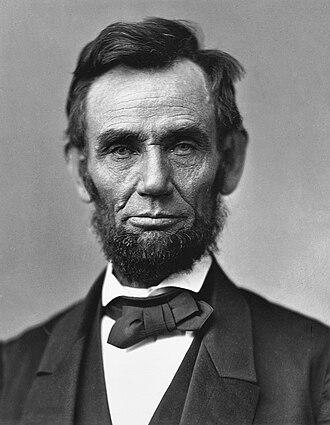 Abraham LincolnPolitics
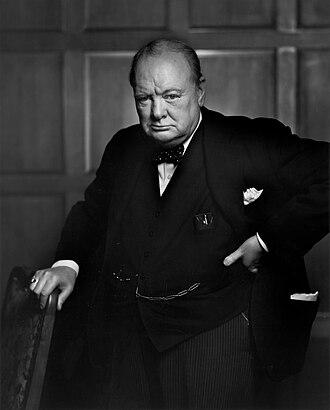 Winston ChurchillPolitics
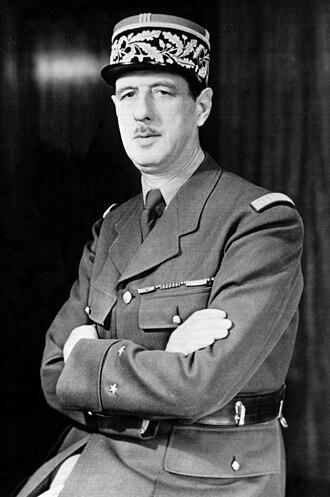 Charles de GaullePolitics
 Nelson MandelaPolitics
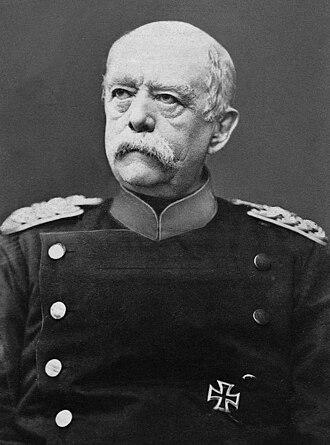 Otto von BismarckPolitics
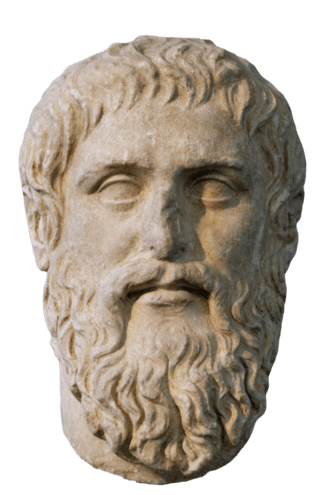 PlatoPhilosophy
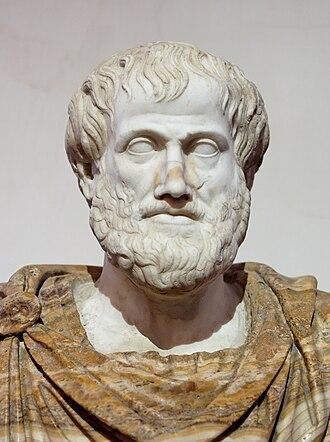 AristotlePhilosophy
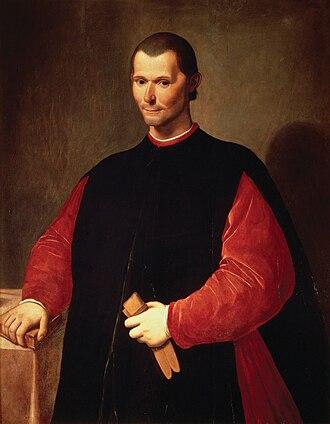 Niccolò MachiavelliPhilosophy
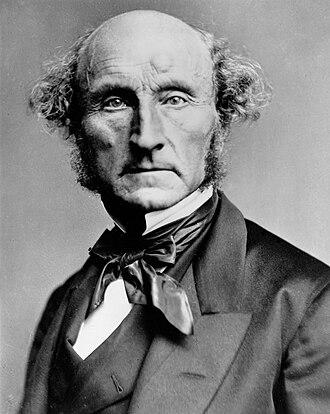 John Stuart MillPhilosophy
 Hannah ArendtPhilosophy
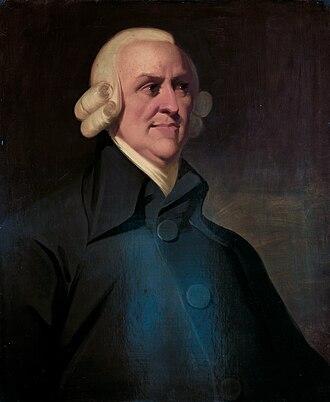 Adam SmithEconomics
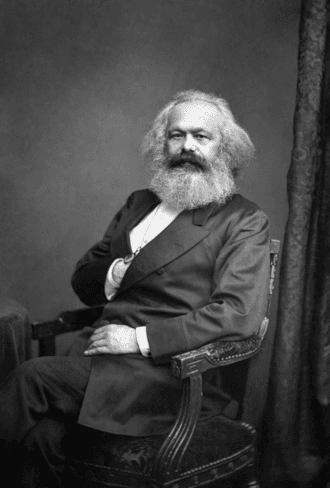 Karl MarxEconomics
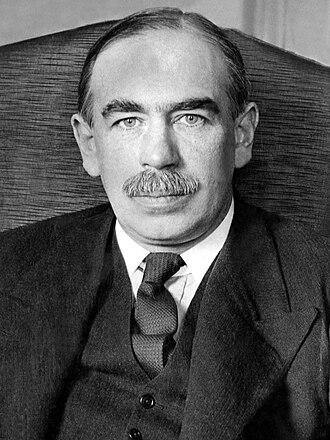 John Maynard KeynesEconomics
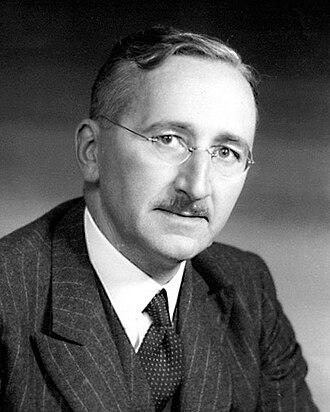 Friedrich HayekEconomics
All versions score the same twelve axes and return the result immediately. Short asks 3 statements per axis, Full asks 5, Deep asks all 20.
36questions
3 per axis
A quick read of your profile, useful as a first pass.
About 5 min
Start the short version60questions
5 per axis
More statements per axis, which pulls the result closer to a stable profile.
About 10 min
Start the full version240questions
20 per axis
Every statement in the bank. The most precise vector the engine can produce.
About 30 min
Start the deep versionShort answers about precision, data and what the result means.
It measures what you say you believe at the moment you answer, with more granularity than a single left–right score. It is not a clinical instrument: if you are unsure about a topic, the neutral option is honest and keeps that axis near the middle.
The short version has 36 statements and takes about five minutes. The full version has 60 and the deep version has 240; all three score the same twelve axes, with more answers per axis the deeper you go.
As often as you like, and you can compare two saved results side by side. Nothing is stored on a server, so each run only exists in the link you keep.
No. The catalog has no ranking, and matching a famous current does not make your answers better or worse. It only tells you where your combination already has a name.
Each catalog profile holds a twelve-value vector on the same axes. Your answers produce a vector too, and the result is the average closeness across the twelve axes. Sub-scores use the political, social and economic blocks separately.
Only if your answers change. The scoring is deterministic: the same answers always produce the same vector and the same matches.
The axes follow standard distinctions in political science, but the catalog vectors are editorial estimates, not survey measurements. Treat the result as a structured mirror, not as peer-reviewed data.
Yes. The result lives entirely in the URL, so the link is the result. You can also export a card as an image or the full report as a PDF.
There is no account and no server-side profile. Answers stay in your browser and in the link you decide to share. Nothing is sold or sent to a third party.
Yes, the whole flow is built for small screens first, including the axes strip and the result card.
An independent political quiz built around a twelve-axis model, a catalog of political currents, countries, parties and historical figures, and a comparison tool that puts two profiles side by side.
It uses the familiar two-dimensional compass as a summary, but the result itself has twelve dimensions. The compass is a reading aid, not the model.
Answer the short version honestly, then read the closest current and the axis-by-axis comparison. If the name feels wrong, look at the second and third matches — the gap between them is usually where the real answer is.
Yes, the result ranks countries, present-day and historical, and public figures by profile. It also shows the closest match inside each dimension, so a country can be your best political match without being your best economic one.
Nothing. Every section of the report — the axis-by-axis analysis, the ideal government, the timeline, the ten countries and the full ranking — is free and unlocked. There is no checkout and no account.
No. There is no sign-up, no e-mail and no password. Your result lives entirely in the link, and the full report opens straight from it on any device.
Start with the short version. You can always go deeper later, and the link stays yours.